


For over a decade, Sir Ken Robinson, the outspoken education and creativity specialist has been invited to global stages to discuss how schools kill creativity. Sir Robinson believed that the current system of education didn’t give an equal weightage to the arts as it did to the sciences. Further, he believed that not having a strong focus on the arts would kill a child’s ability to think laterally in other streams of learning. Today, he consults for national education bodies around the world and his one of the most popular speakers in the TED franchise – simply because he sees a child’s creative potential
differently.
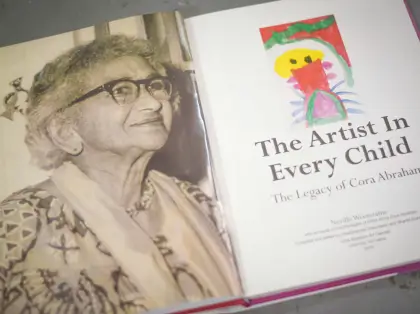
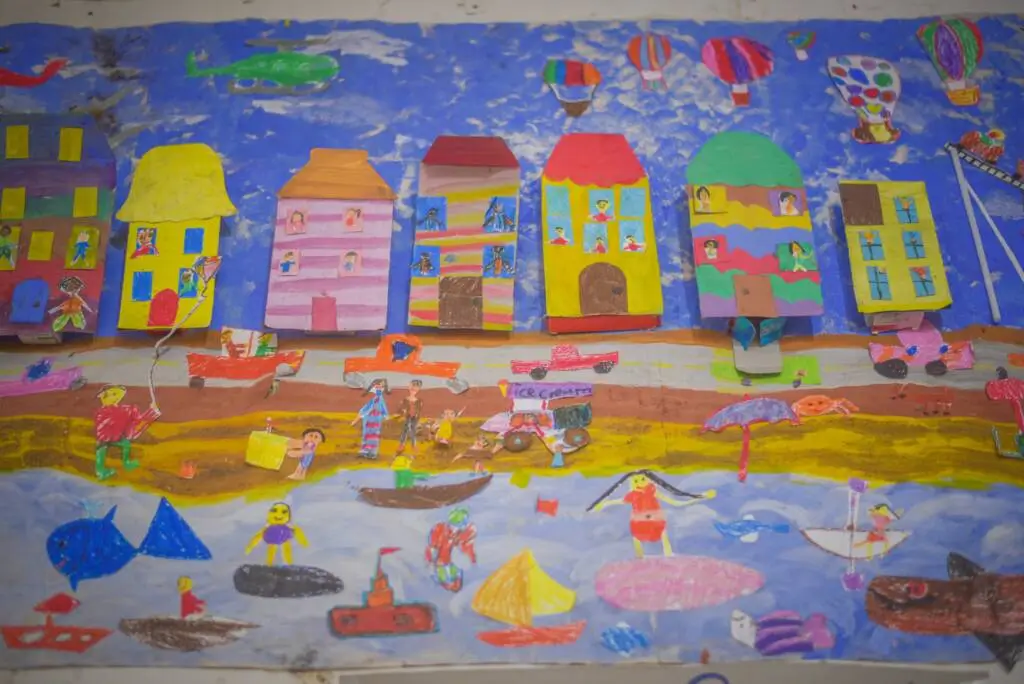
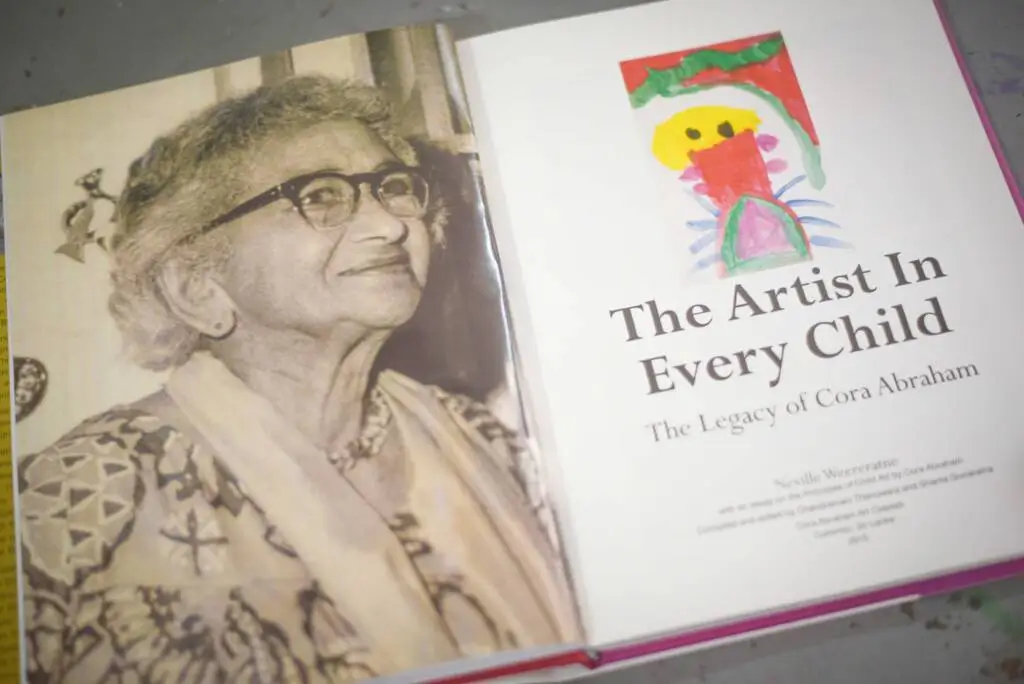
Closer to home, meet Chandramani Thenuwara, a living legend and the chairperson of the Cora Abraham Trust. Having been a teacher at the famed Cora Abraham School of Art, she learnt her own craft under Cora Abraham herself. Chandramani and everyone at the Cora Abraham school see creating learning very differently; the Cora Abraham methodology for teaching art is founded on the concept of teaching children how to use art as an expression rather than following rigid learning structures. Chandramani Thenuwara herself is also a talented artist, having earned a reputation as a fabric and textile designer. In her conversation with us, Chandramani told us of her journey into becoming a part of the Cora Abraham legacy and her thoughts on Kala Pola on this, its momentous 25th anniversary:
Q. Can you tell us about how you teach
art?
A. First let me explain to you our
method that our school is founded on. Mrs. Cora Abraham the founder of
this school was a pioneer of education for the arts. The movement
started in England and the concept is giving children total freedom to
express themselves through the mediums of art. If that is subjective
there is no criteria for judging their work. For an example if a child
draws a pink elephant, we don’t ask the child why. Instead, we say “oh
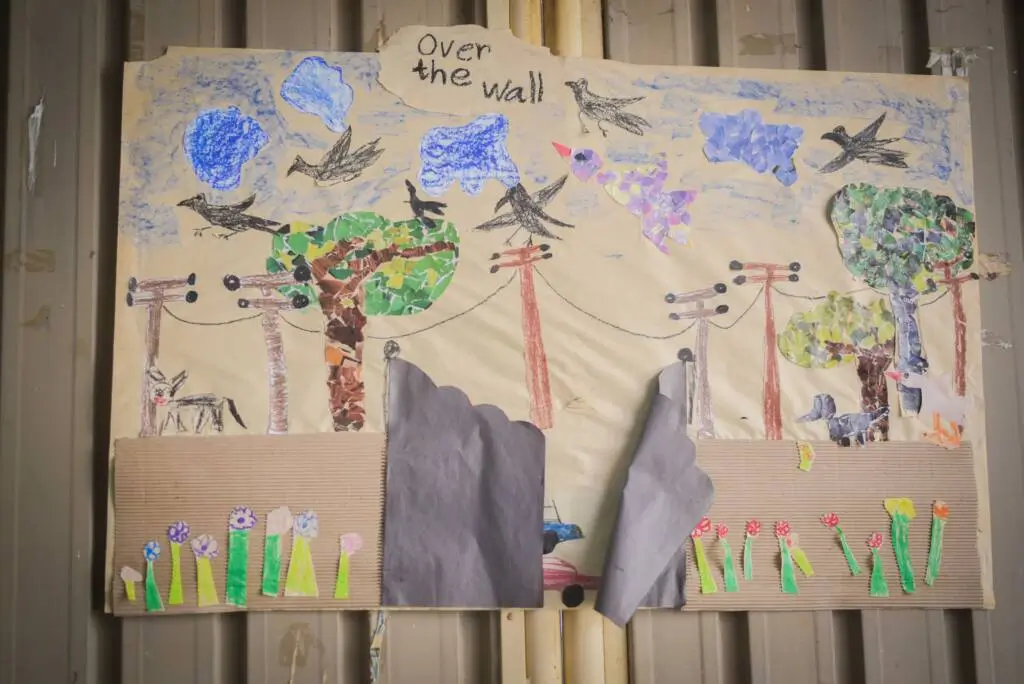
how interesting, a pink elephant!”. We as an art school try to get
expressive pictures and not just beautiful pictures. The objective is to
encourage them to let out their feelings through the mediums of art.
Therefore there are no restrictions. Even if they spoil a picture, we
still them it is okay and reassure them that there are plenty of papers
to draw with. Otherwise, we are putting shackles on them. We let them
make a mistake and explain why it may have happened. We never scold them
for making a mistake. We don’t teach, we merely guide.
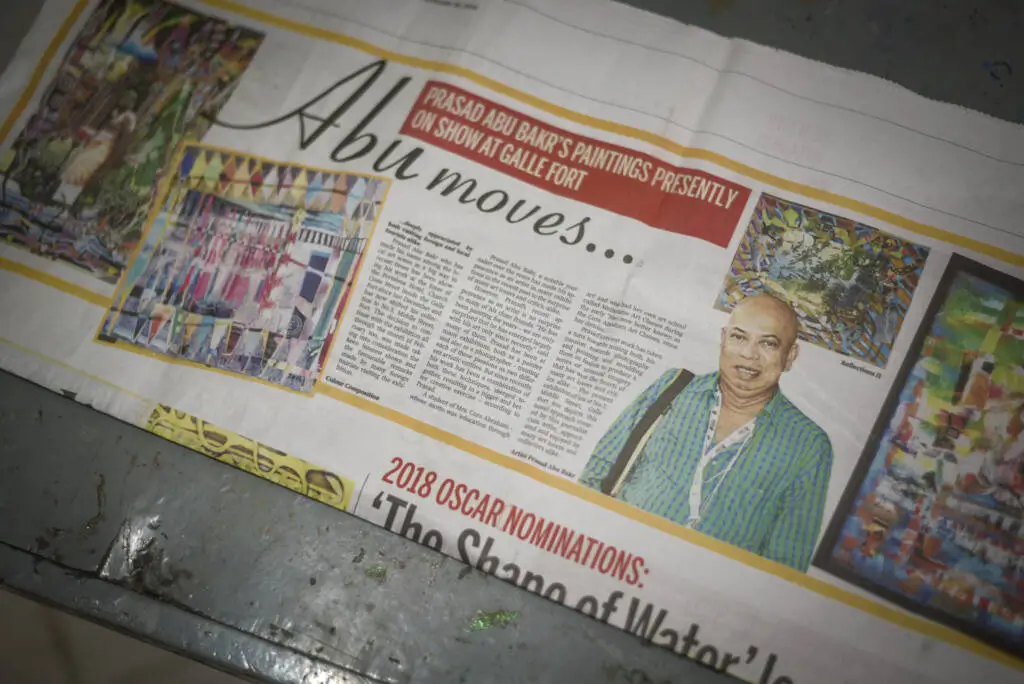
Q. Did you have any art students who took part in Kala
Pola?
A. Yes, one of my students, a
young man by the name of Prasad Abu Bakr recently took part in Kala
Pola. He is a journalist by profession and produces a magazine called
Spice for the travel and hospitality industry. But Prasad is a painter
at heart, in fact he has always painted. But now, with opportunities
like this, he has final begun to take his art and talent seriously.
Q. As an art teacher how do you think
Kala Pola helps art students and
artists?
A. It gives them a place to
show their work. These days even our school can’t afford to exhibit work
in galleries. Therefore, it is a great thing is that it gives artists
great exposure and customers get to see a wide range of artwork and buy
what they want at reasonable prices. Because the other art galleries
sponsor artist. Then the artists are knowledgeable about the higher
levels of customers. Of course, the gallery comes free with food and
drinks, but in turn the gallery charges a percentage from the sale an
artist makes. This means the gallery would generally cater to those who
can afford to pay high prices – it means everyone’s survival can depend
on it. This is why many artists are unable to get into this kind of
gallery partnership. This is why artists and art buyers in Sri Lanka
would both be lost if not for sustained initiatives like Kala Pola.
Q. How do you think Kala Pola contributes to Sri Lankan
art?
A. It encourages everyone to join, and
gives great exposure to artist.